

Description
Product Overview
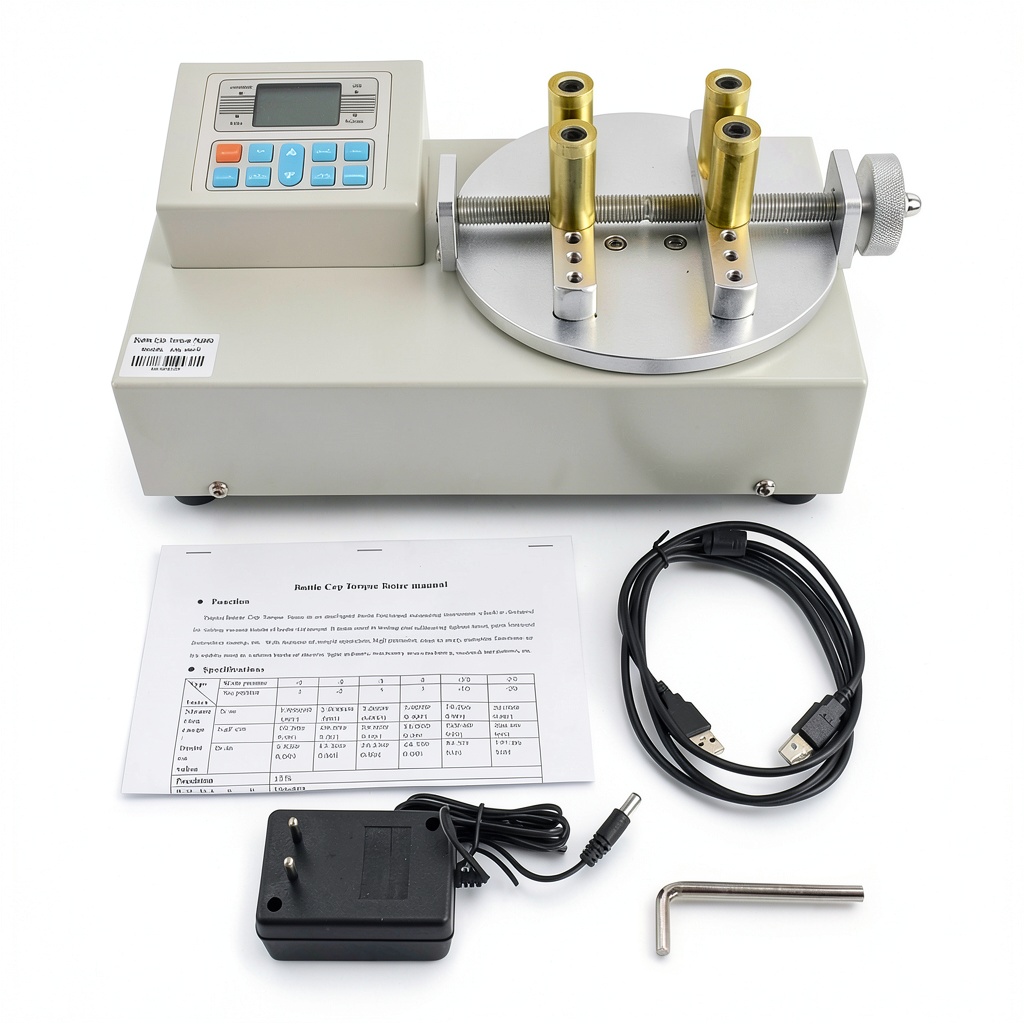
![[Product front view showing all components]](https://www.celebratelife.store/wp-content/uploads/2026/06/9b3c313834384719950dfd789bb31943.jpg)
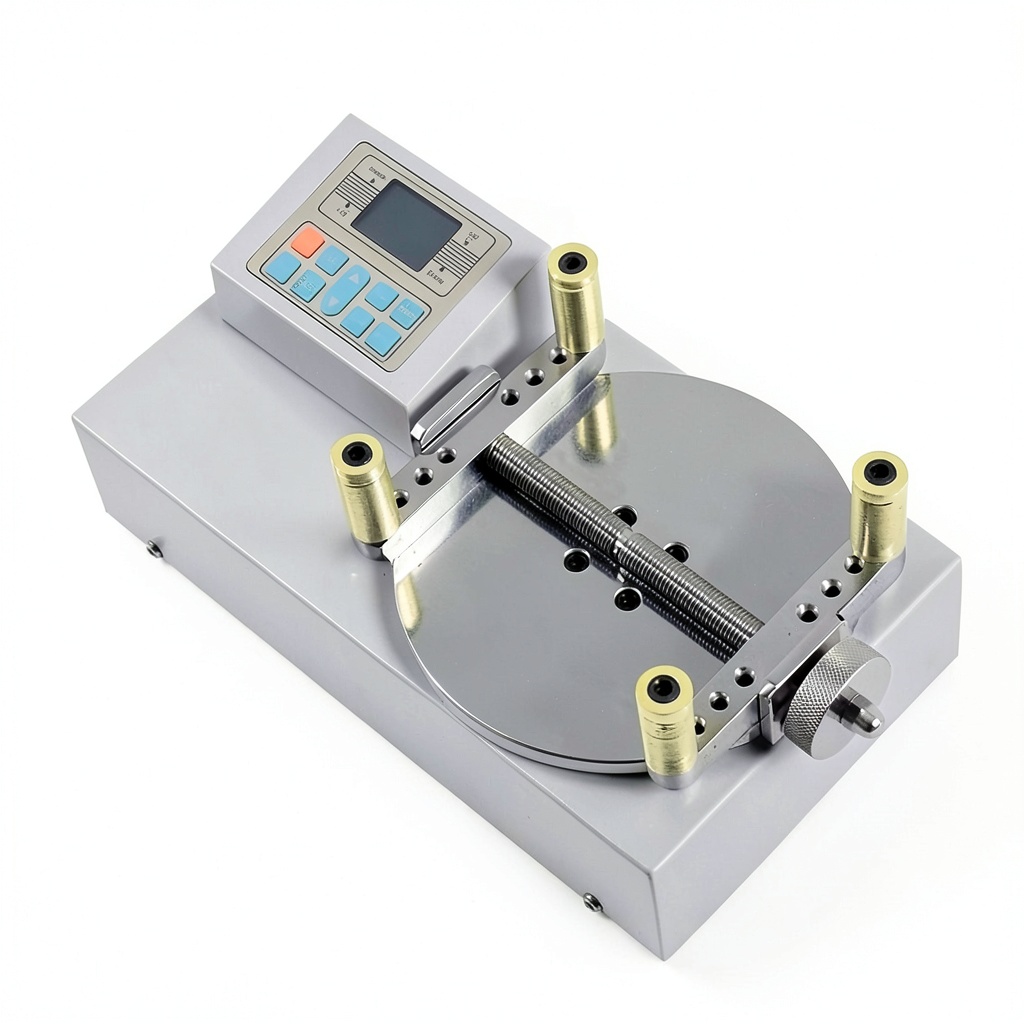
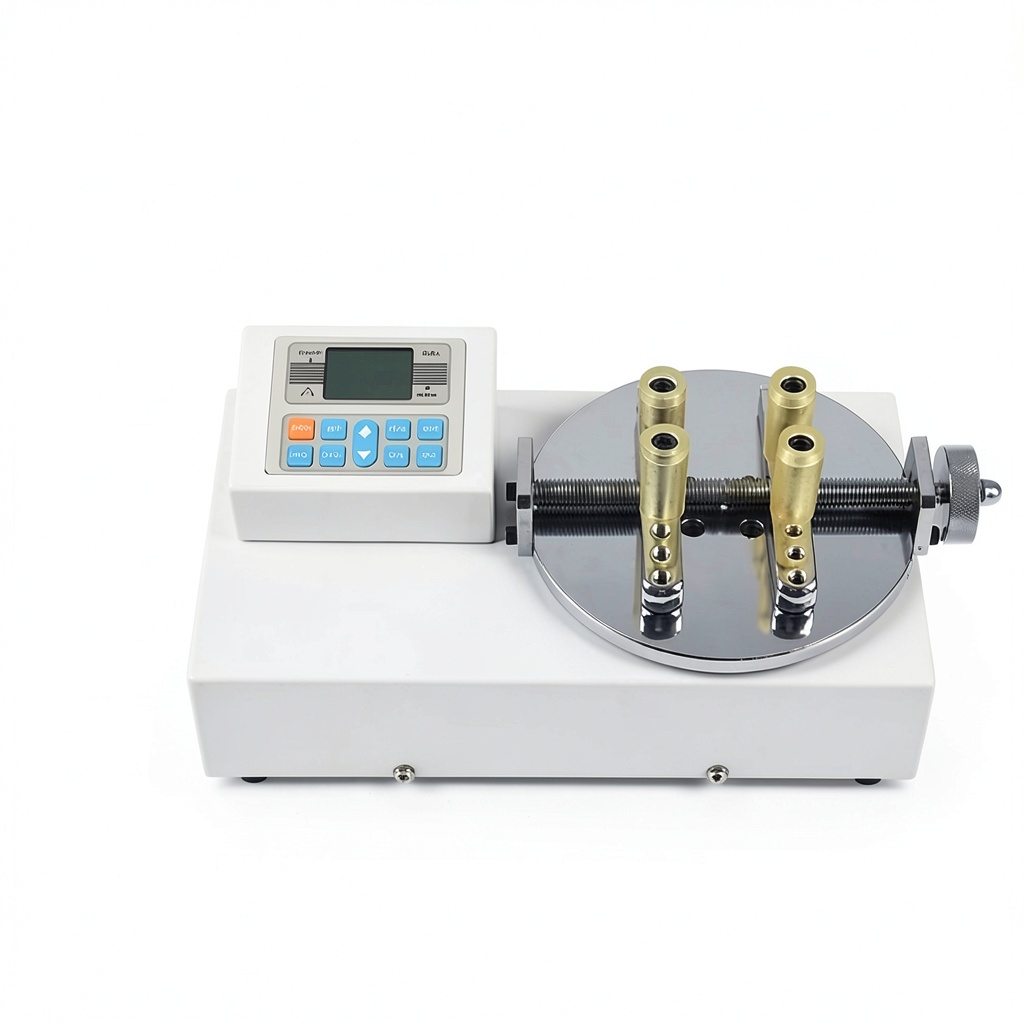
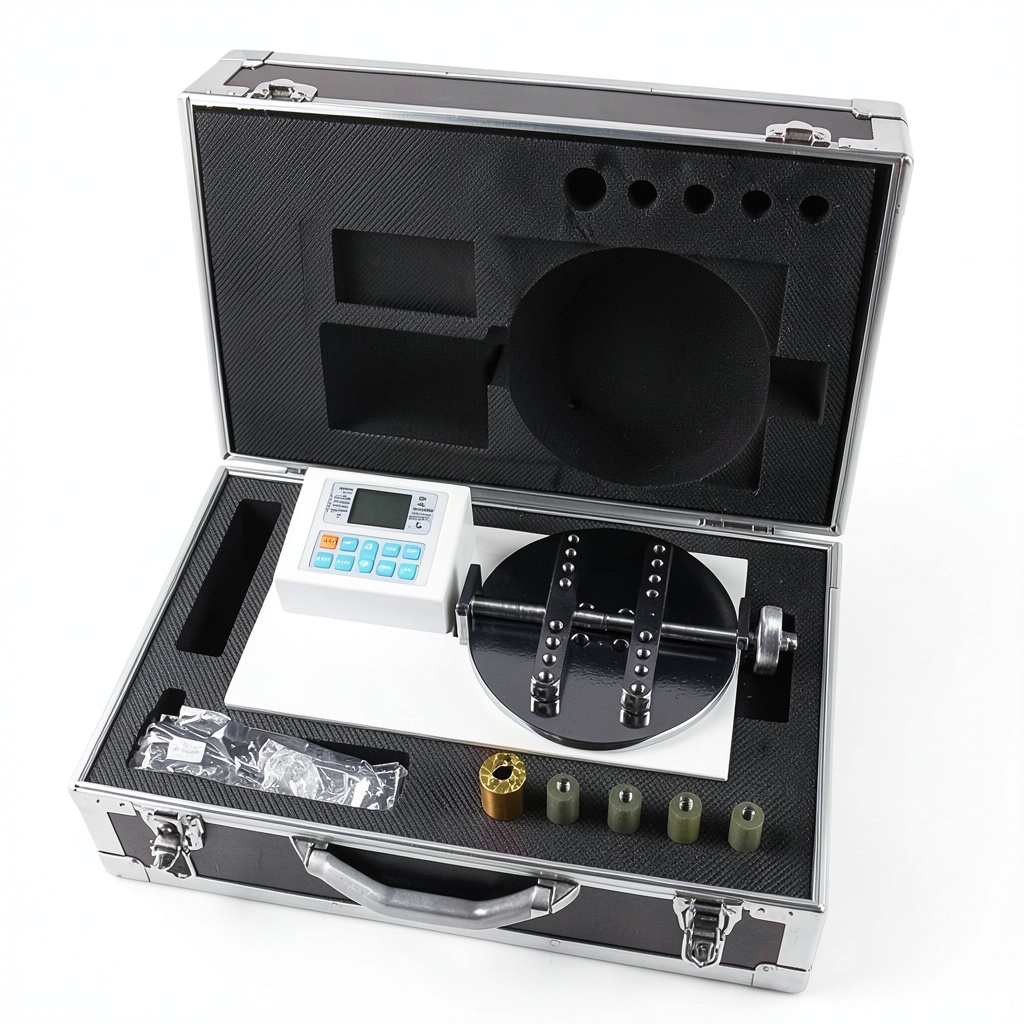
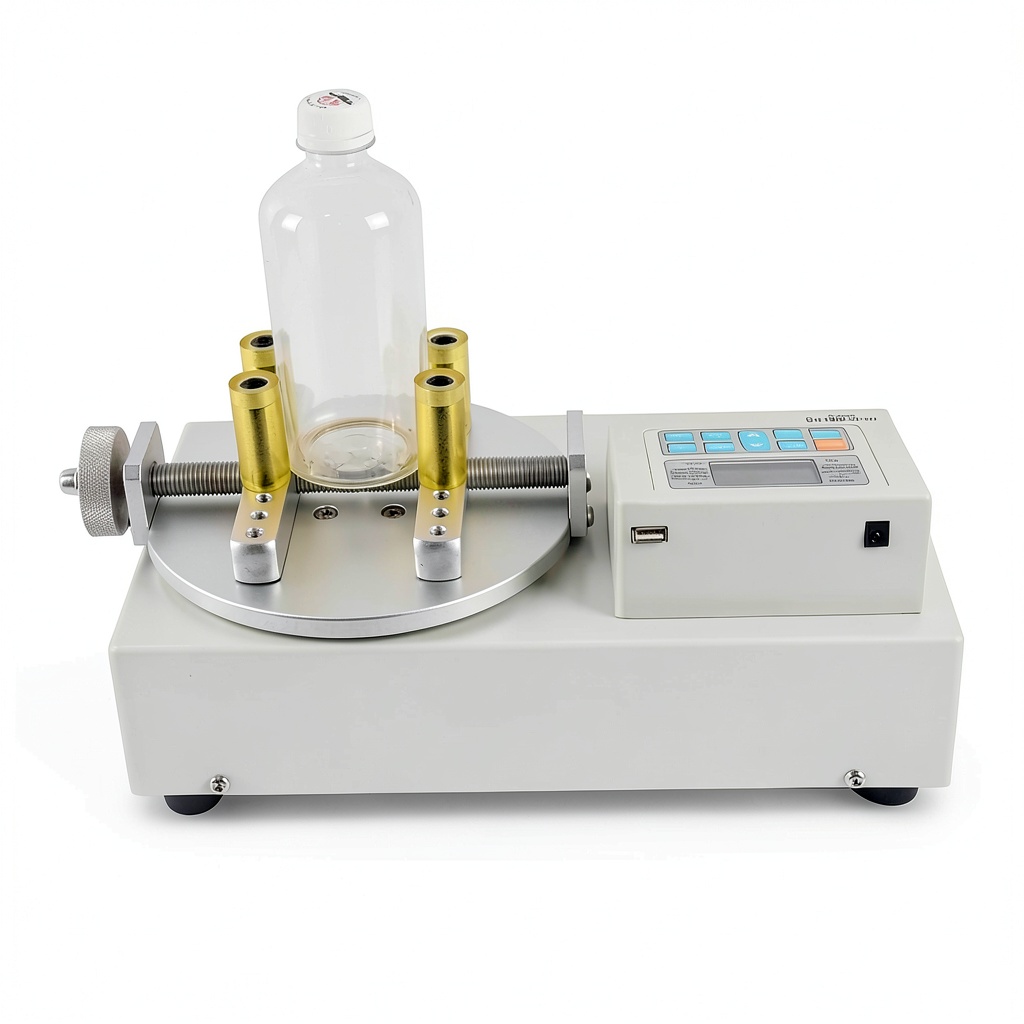
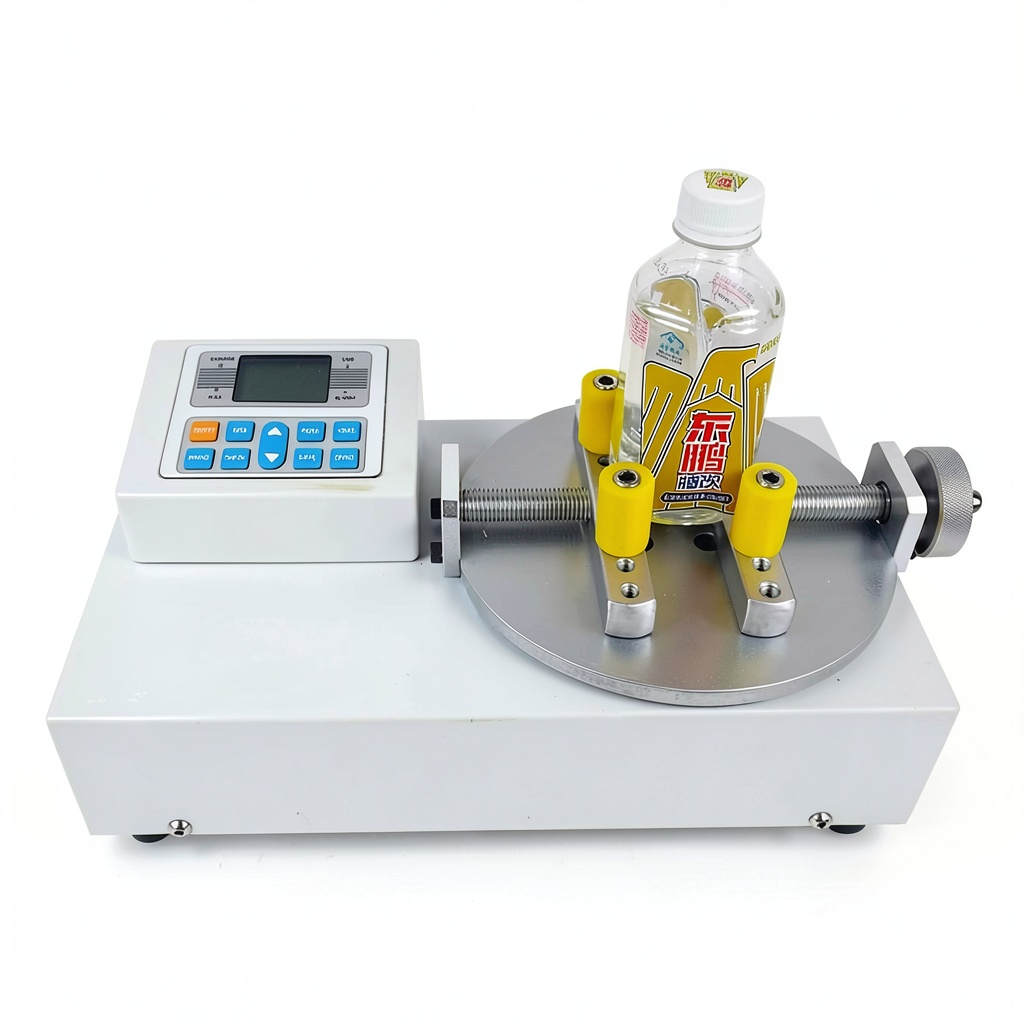
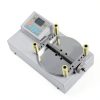
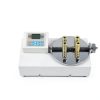
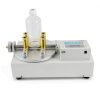
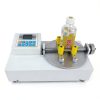
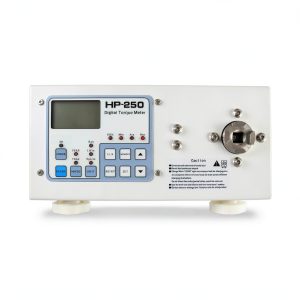
The HKNDT ANL-WP10 digital torque gauge is engineered for precision demanding environments where accurate torque measurement is essential. Built with a robust ABS housing and a high‑resolution full‑screen LCD, the device combines durability with clear visual feedback. The integrated high‑precision torque sensor provides repeatable accuracy within ±0.5 % of full scale, allowing users to trust each reading for critical applications. Dimensions of 16 × 8 × 8 inches and a weight of 27 lb make the gauge portable enough for field service while still offering a solid grip for bench work.
The gauge supports three unit systems—newton‑meters (N·m), kilogram‑centimeter (Kgf·cm), and pound‑inch (Lb·in)—which can be switched instantly via a dedicated button, eliminating the need for external converters. Real‑time, peak, and automatic‑peak measurement modes give flexibility for dynamic testing, while the upper and lower limit alarms illuminate red or green LEDs and trigger visual alerts when torque exceeds predefined thresholds. Data can be stored internally for up to 99 test sets, each containing time‑stamped values, and exported through a USB interface to a PC for further analysis. The included software records force graphs, enables statistical evaluation, and supports printing of test reports directly from the computer.
Additional functional highlights include a peak‑hold feature that captures the maximum torque value during a test, an automatic release function that resets the gauge after a configurable delay, and a customizable shutdown timer that prevents battery drain during idle periods. The device operates on a rechargeable lithium‑ion battery, providing up to 12 hours of continuous use on a single charge. All components meet IEC 61010 safety standards, and the gauge is calibrated according to ISO 6789 guidelines, ensuring compliance with international torque measurement requirements.
The ANL‑WP10’s internal electronics are built around a 32‑bit microcontroller that processes sensor signals at a high sampling rate, filtering noise and delivering stable readings even in vibration‑rich environments. The device’s firmware includes self‑diagnostic routines that alert the user to sensor drift, battery health, or communication errors, thereby reducing unexpected downtime. The LCD screen, measuring 2.8 inches diagonally, offers a 320 × 240 pixel matrix with adjustable backlight intensity, ensuring readability under bright workshop lighting or dim laboratory conditions.
Power management is optimized through a low‑dropout regulator and sleep mode circuitry, extending battery life when the gauge is idle. The rechargeable battery is a 3.7 V, 2500 mAh lithium‑ion cell, protected by an integrated circuit that prevents over‑charge, over‑discharge, and short‑circuit events. The charging circuit complies with USB‑PD standards, allowing fast charging from compatible power adapters.
Mechanical design considerations include a recessed torque input socket that accepts standard 1/4‑inch drive heads, enabling compatibility with a wide range of torque wrenches and adapters. The socket is reinforced with stainless‑steel inserts to resist wear from repeated use. The gauge also features a detachable protective cap that shields the input socket during transport, preventing debris ingress.
All measurement data is timestamped with the internal real‑time clock, which can be synchronized to a PC during data transfer. The clock maintains accuracy within ±30 seconds per month, ensuring reliable chronological records for quality audits. The device complies with CE marking requirements and is listed under the FCC Part 15 Class B regulations for electromagnetic compatibility.
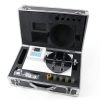
The ANL‑WP10 is supplied with a comprehensive user manual that includes step‑by‑step setup instructions, calibration procedures, and troubleshooting guides. Additionally, an online knowledge base provides video tutorials, firmware update files, and FAQs to assist users in maximizing the gauge’s functionality.
Usage
The HKNDT ANL‑WP10 is designed for use in diverse industrial and scientific settings where torque accuracy directly impacts product performance and safety. In automotive repair shops, mechanics rely on the gauge to tighten bolts to manufacturer‑specified torque values, preventing over‑tightening that could damage engine components or under‑tightening that might lead to fastener failure. The selectable unit modes enable technicians to work with specifications provided in different standards without manual conversion errors.
In aerospace assembly lines, the gauge’s high‑precision sensor and repeatable accuracy support the stringent torque requirements of critical structural joints. Engineers can perform real‑time monitoring during bolt installation, using the peak and automatic‑peak modes to capture transient torque spikes that occur when tightening high‑strength fasteners. The built‑in visual alarms immediately alert the operator if torque exceeds the upper limit, reducing the risk of structural compromise.
Laboratory environments benefit from the device’s data logging capabilities. Researchers conducting material fatigue tests can connect the gauge to a PC via USB, synchronously recording torque curves alongside other experimental parameters. The software’s ability to export data in CSV format facilitates integration with statistical analysis tools, enabling detailed post‑test evaluation of torque trends and variability.
Field service technicians appreciate the gauge’s portability and battery life. When performing maintenance on heavy‑duty equipment such as generators, compressors, or wind turbine gearboxes, the ability to quickly switch between N·m and Lb·in units allows seamless adaptation to equipment documentation that may use different measurement conventions. The rugged ABS case protects the instrument from accidental drops, while the IP54 rating guards against dust ingress in harsh outdoor environments.
The gauge also serves educational purposes in technical training programs. Instructors can demonstrate torque concepts using the real‑time display, while students practice setting upper and lower limits and interpreting visual alarm signals. The intuitive interface ensures that learners can focus on understanding torque principles rather than struggling with complex menu navigation.
Beyond automotive and aerospace, the gauge is valuable in renewable energy installations. Technicians assembling wind turbine nacelles often need to torque large‑diameter bolts to precise values; the ANL‑WP10’s high‑resolution display and audible alerts help ensure each bolt meets the manufacturer’s torque curve, reducing the likelihood of premature bearing wear. The device’s ability to store multiple test sets allows engineers to compare torque values across different turbine models, facilitating performance benchmarking.
In the manufacturing sector, the gauge supports statistical process control (SPC) initiatives. By exporting torque data to SPC software, production managers can monitor process capability indices (Cp, Cpk) and identify trends that may indicate tool wear or operator variability. The real‑time peak mode captures transient torque spikes that occur during rapid tightening cycles, providing insight into dynamic loading conditions that static measurements cannot reveal.
For medical device assembly, where torque specifications are often defined in millinewton‑meters, the ANL‑WP10’s ability to switch to N·m units and its fine resolution of 0.01 N·m enable compliance with stringent regulatory standards such as ISO 13485. The visual alarm system can be configured to trigger at the exact tolerance limits required for delicate components, safeguarding product integrity.
Field engineers working on offshore oil platforms benefit from the gauge’s IP54 rating, which protects against splashing water and dust that are common in marine environments. The rugged ABS housing resists impact from accidental drops, while the ergonomic grip reduces hand fatigue during prolonged torque testing sessions. The device’s low weight of 27 lb makes it easy to carry up the narrow ladders and confined spaces typical of offshore installations.
Educational institutions incorporate the gauge into hands‑on labs to teach students about torque concepts, calibration techniques, and data analysis. Instructors can assign projects where students must set upper and lower limits, record torque curves, and generate reports using the provided software, thereby reinforcing theoretical knowledge with practical experience.
In oil and gas pipeline construction, torque integrity is critical to prevent leaks at flange connections. The gauge’s ability to store multiple test sets enables inspectors to document torque values for each flange along a pipeline segment, creating a traceable record that supports pressure testing and regulatory compliance. The USB export function simplifies the compilation of these records into comprehensive inspection reports.
Why Choose Us
Choosing the HKNDT ANL‑WP10 means investing in a torque measurement solution that combines engineering excellence with user‑centered design. HKNDT Instruments has a legacy of producing reliable testing equipment, and the ANL‑WP10 reflects decades of refinement in sensor technology, ergonomic housing, and software integration. Each gauge is calibrated in our ISO‑qualified laboratory, guaranteeing that the instrument meets the highest accuracy standards before it reaches the customer.
Quality assurance is reinforced by a comprehensive warranty and dedicated after‑sales support. Our technical team provides installation assistance, software training, and troubleshooting guidance, ensuring that users can maximize the gauge’s capabilities from day one. Replacement parts are stocked globally, minimizing downtime for organizations that depend on continuous testing operations.
The device’s modular firmware architecture allows future feature upgrades without hardware replacement. Customers can request additional measurement modes or custom data export formats, and our development team can deliver updates through the USB connection. This forward‑compatible approach protects the investment against obsolescence as industry standards evolve.
Environmental responsibility is embedded in the product’s design. The rechargeable lithium‑ion battery reduces waste compared with disposable power sources, and the ABS housing is manufactured from recyclable polymers. HKNDT’s manufacturing facilities adhere to ISO 14001 environmental management standards, underscoring our commitment to sustainable production practices.
Our commitment to customer success extends beyond the point of sale. HKNDT offers a dedicated portal where owners can register their devices, download the latest firmware, and access a library of application notes covering topics such as torque verification, sensor maintenance, and best practices for data management. The portal also provides a ticketing system for rapid resolution of technical issues, with typical response times under 24 hours.
We understand that many organizations operate under strict regulatory frameworks. To support compliance, the ANL‑WP10 includes an audit trail feature that records configuration changes, calibration dates, and user actions. This immutable log can be exported as a PDF report, simplifying the preparation of documentation for internal audits or external certification bodies.
Our global service network includes regional service centers staffed with certified technicians who can perform on‑site calibration, repair, or part replacement. For customers in remote locations, we offer a loaner program that provides a temporary gauge while the primary unit is serviced, ensuring uninterrupted testing operations.
The gauge’s software suite is designed with an open architecture, allowing integration with enterprise resource planning (ERP) systems, laboratory information management systems (LIMS), and custom data acquisition platforms via standard APIs. This flexibility enables organizations to embed torque measurement data directly into their existing workflows, reducing manual data entry and minimizing errors.
Sustainability is a core value of HKNDT. The ANL‑WP10’s packaging is made from recyclable cardboard, and the device itself is designed for easy disassembly, facilitating end‑of‑life recycling of electronic components. By choosing a product that aligns with environmental stewardship, customers contribute to a greener supply chain.
To accelerate onboarding, HKNDT provides on‑site training workshops and virtual webinars that cover device operation, data interpretation, and maintenance procedures. Participants receive certification upon completion, demonstrating proficiency that can be leveraged for internal quality assurance programs. This educational support reduces the learning curve and promotes consistent usage across teams.
Key Features
- High‑precision sensor delivers ±0.5 % accuracy for reliable torque verification.
- Three interchangeable unit modes (N·m, Kgf·cm, Lb·in) simplify cross‑standard work.
- USB data logging stores up to 99 test sets and enables easy PC analysis.
- Visual red/green alarm LEDs and limit settings prevent over‑ or under‑torquing.
- Robust ABS housing with IP54 rating ensures durability in harsh industrial environments.
FAQ
What is the maximum torque capacity of the ANL‑WP10?
The gauge measures up to 27 lb‑in (3 Nm) with full‑scale accuracy, suitable for most maintenance and assembly tasks.
Can the device be calibrated in the field?
Yes, the ANL‑WP10 includes a built‑in calibration mode that allows users to perform routine checks using a certified reference torque source, ensuring ongoing measurement confidence.
How does the USB interface work with my computer?
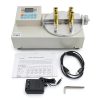
Connect the gauge to a PC using the supplied USB cable; the accompanying HKNDT software automatically detects the device, imports recorded test data, and provides graphing, statistical analysis, and report printing functions.
What is the battery life and how is it recharged?
The internal lithium‑ion battery provides up to 12 hours of continuous operation. Recharge it via the USB port using any standard USB charger; a full charge takes approximately 3 hours.
Reviews
There are no reviews yet.